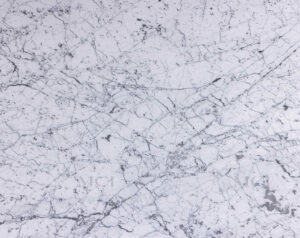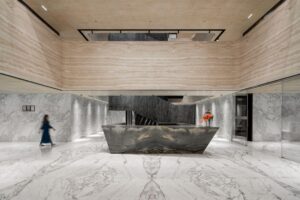


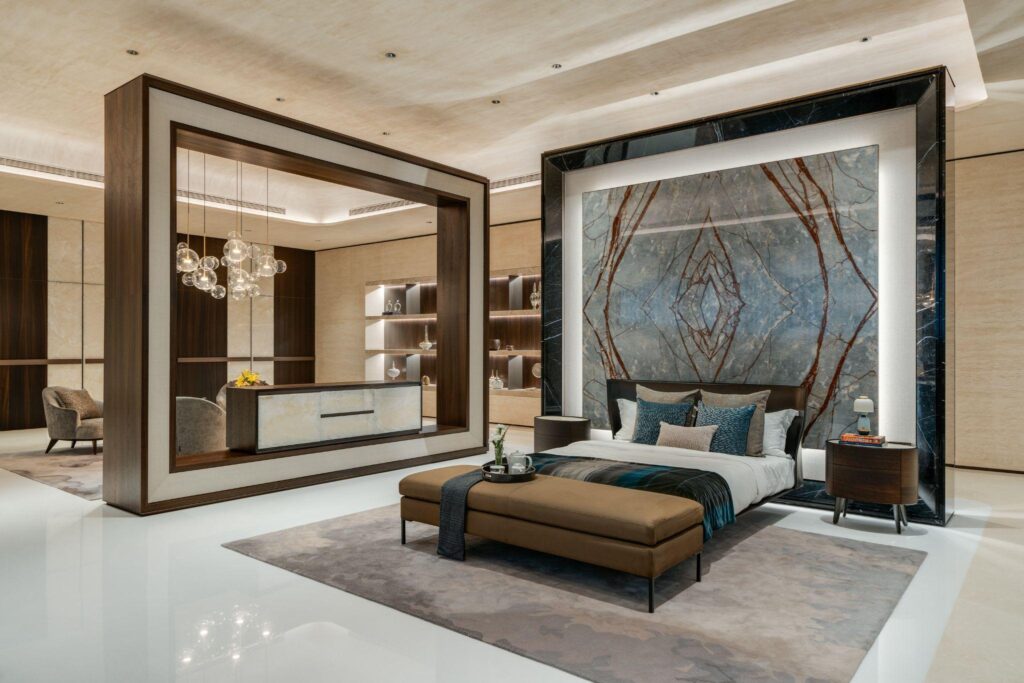
Marble has long been celebrated as a material that transforms spaces with its natural beauty, unique character, and enduring appeal. Yet, selecting the best marble for home interiors goes beyond choosing a colour or pattern; it is an art of understanding the interplay between stone, space, light, and design intent, guided by a considered marble selection guide. Every slab of marble has a narrative, from creating a statement in grand living areas to adding subtle sophistication to intimate corners. The art of curation lies in discovering the stone that complements the vision of a space by enhancing its character while creating an experience that feels truly distinctive.
The Curator’s Eye: Factors Behind Every Marble Selection
No single slab suits every room. The right choice depends on how a space is used, how much light it receives, and how much upkeep a household is realistically willing to give it. A sound marble buying guide starts with these fundamentals before any stone is named:
Selecting the best marble for home interiors is an act of curation rather than a straightforward purchase, shaped as much by design intent and expert judgement as by any fixed set of criteria.
The right stone responds to how light moves through a space, how a room will be lived in and appreciated over the years, and the vision a designer or architect brings to it. This marble buying guide offers a considered lens for weighing stone, space and lifestyle together, rather than a checklist to work through:
- Design vision, colour palette and veining
- Natural and artificial lighting conditions
- Bookmatching and pattern continuity
- Quality, provenance and craftsmanship
- Lifestyle and living patterns
Marble for Living Room: Creating a Luxurious First Impression
The living room offers one of the most visible canvases for marble for living room flooring, and the right choice depends on the space’s architectural style, lighting and the vision a designer is working towards.
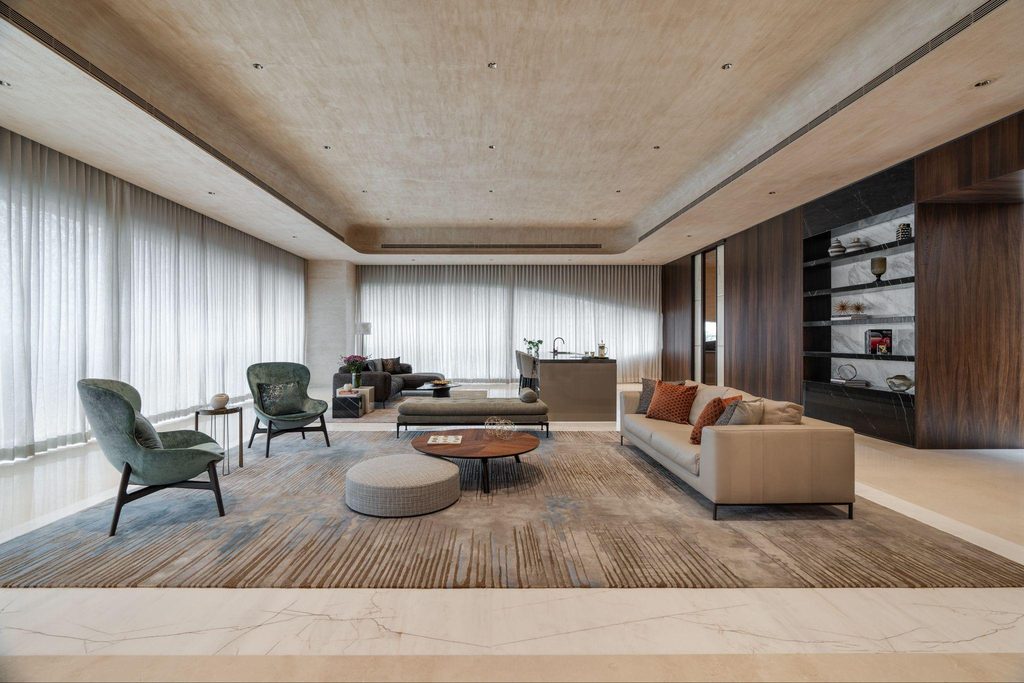
Large-format slabs with minimal joints lend an uninterrupted surface, while dramatic veining and a polished finish can heighten natural light and make premium marble flooring the room’s focal point. Equally, many luxury interiors choose bolder marbles deliberately, curating furniture and art to complement the stone rather than recede behind it.
Marble for Kitchen: Combining Elegance with Everyday Durability
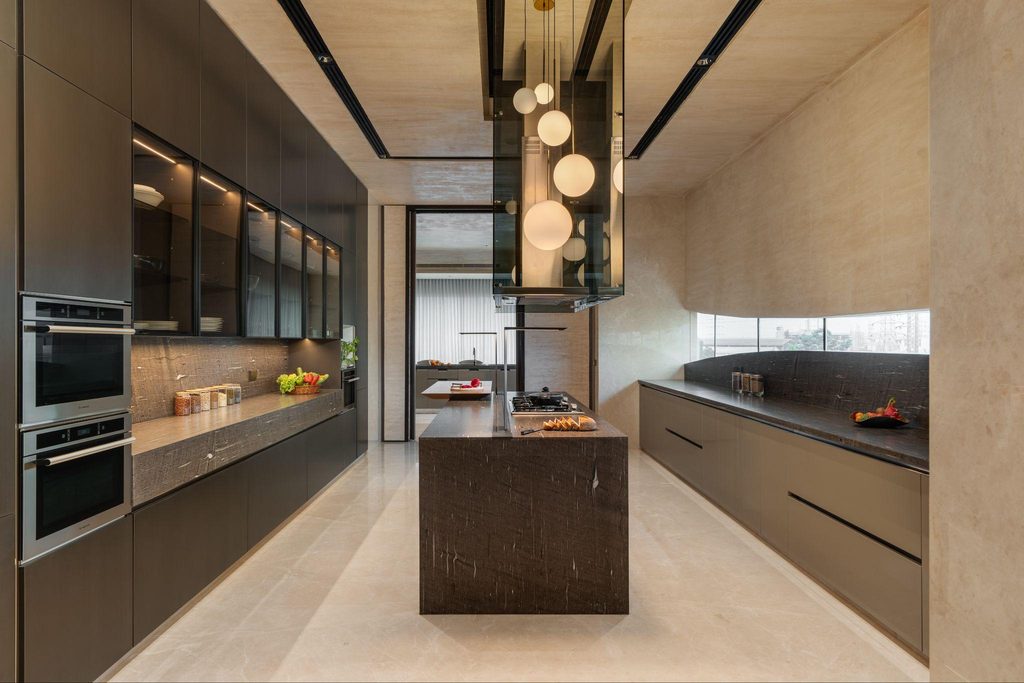
Marble for kitchen surfaces must balance beauty with daily wear. Since oils, acids and pigments are a daily reality, proper sealing and regular maintenance matter more here than almost anywhere else in the home. A honed finish tends to hide marks better than a high polish, and marble’s heat resistance makes it a practical countertop choice when properly cared for.
Marble for Bathroom: A Sanctuary of Style and Assurance
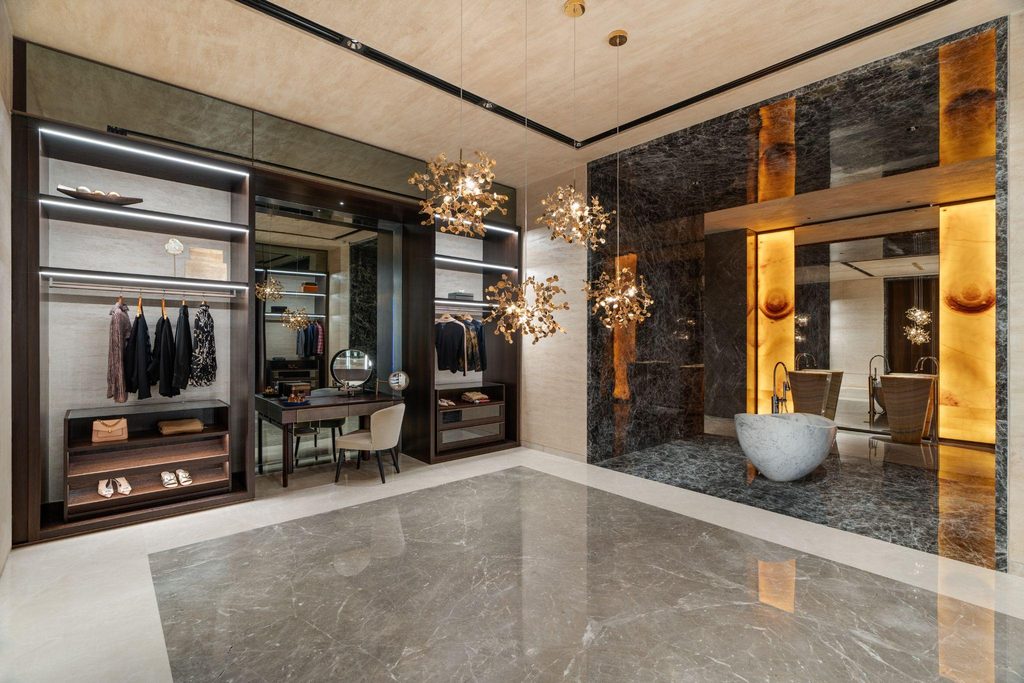
Marble for bathroom applications is guided by a different set of priorities. Moisture resistance and a slip-resistant finish come first, followed by a lighter stone that helps a compact space feel more expansive. Marble works equally well across walls and floors here, creating a cohesive, spa-like experience from surface to surface.
Marble for Bedroom: A Quiet Retreat in Natural Stone
Marble for bedroom flooring favours a gentler register than the rest of the home. Soft, warm palettes with subtle veining create an atmosphere suited to slowing down at the end of the day, while the room still carries the same luxury marble flooring quality found throughout the house. Comfort matters as much as elegance here, so a sleeker, less dramatic stone tends to work best underfoot, paired with soft furnishings to complete the effect.
Marble for Dining Room: Sophisticated Spaces for Refined Living
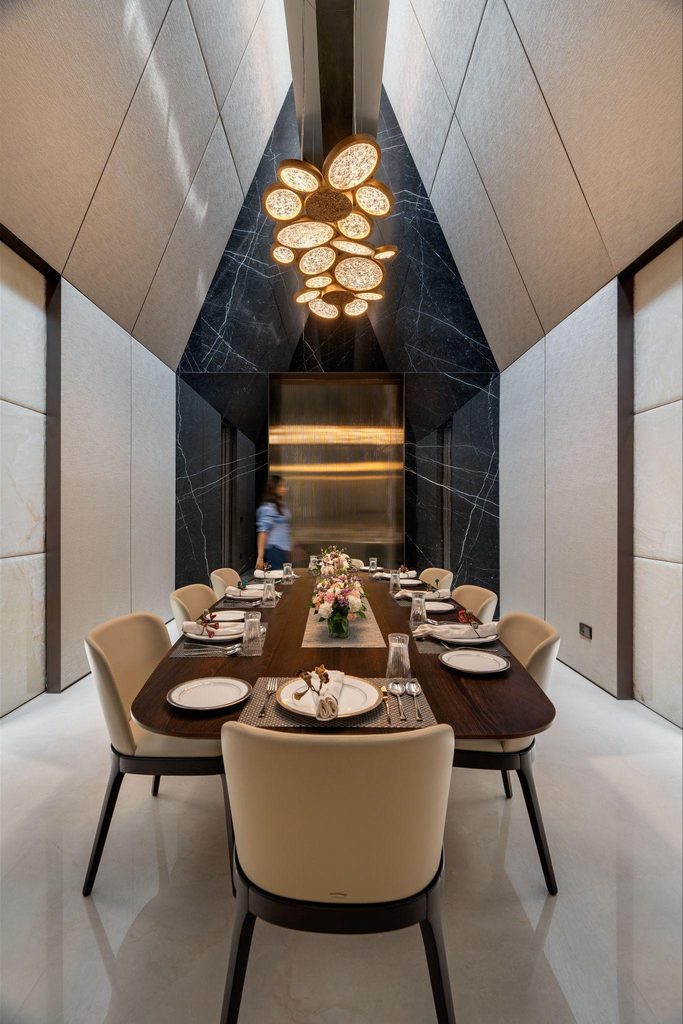
Marble for dining room spaces should strike a balance between sophistication and practicality. Seamless flooring, a premium finish and colours coordinated with adjoining rooms all support a considered flow through the home. Stain management is worth planning for, given the inevitability of spills and choosing a finish that resists everyday marks pays off over time.
Marble for Staircase: A Statement of Strength and Timeless Appeal
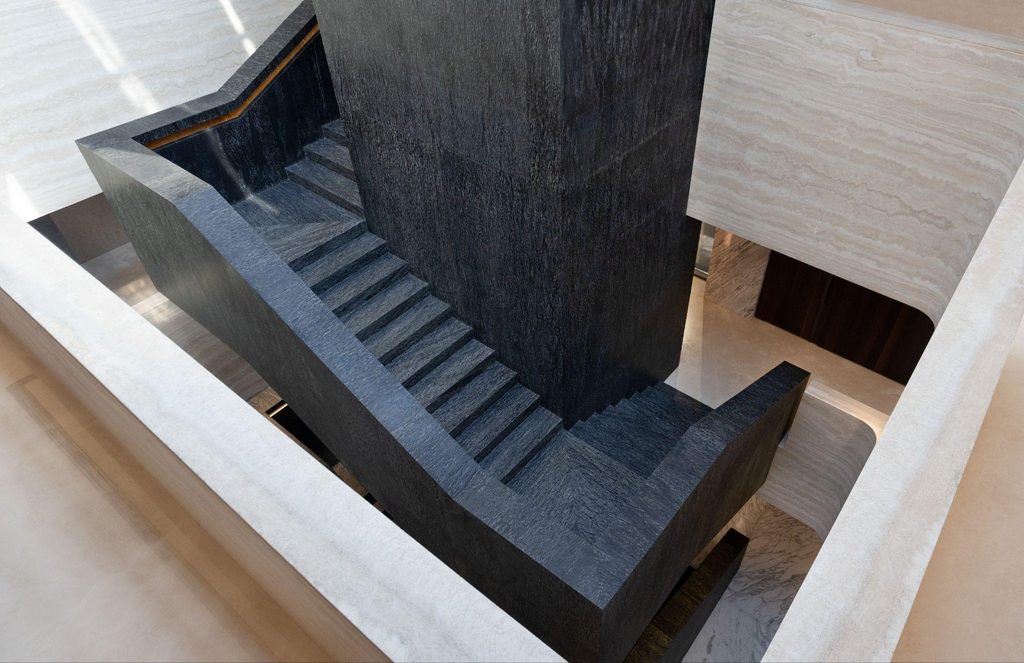
Marble for staircase installations need to balance visual impact with structural performance. Durable stone, appropriate slab thickness and anti-slip finishes ensure long-term safety, while edge profiling enhances both functionality and the overall finish. The right selection transforms a staircase into a striking architectural feature built to withstand everyday use.
Two Sensibilities in Stone: Italian and Indian Marble
Italian marble is defined by a soft, pearlescent sheen and dramatic, flowing vein patterns shaped by its formation in the Carrara region over millions of years. Indian marble, by contrast, is prized for its exceptional hardiness and a naturally varied, earth-toned palette drawn from its rich mineral composition.
Both require proper sealing to perform well, but Italian marble suits feature floors and statement walls where rarity takes centre stage, while Indian marble brings durability and versatility to everyday interiors.
The difference shows most clearly in pricing and purpose: Italian marble sits at a premium, reserved for luxury, statement spaces, while Indian marble is the more budget-friendly choice for practical, large-scale projects.
Italian Marble
At Marble Centre International, our Italian marble collection, spanning varieties such as Statuario, Statuario Carrara, Calacatta White, Bottochino Classico and Bottochino Crema, covers what sets it apart. A luxury appeal built on premium finishes, elegant veining, and genuinely imported varieties unavailable domestically. It suits living rooms, feature walls and other rooms where the marble itself is meant to be noticed.
Indian Marble
Indian marble types span a wide range of regional varieties, offering natural beauty at a more accessible price point. Durability and affordability make it well suited to large residential applications, from flooring to staircases, where consistency across a bigger order matters.
Choosing the Right Marble Finish
A finish is the final treatment applied to the surface of a stone, and it has the power to completely transform a space, shaping how a slab reflects light, feels underfoot, and reveals its natural veining. Beyond the classic marble finish types, Marble Centre International also crafts signature bespoke finishes, such as the faceted, light-scattering Kaleidoscope and the gently undulating Drift, for spaces where the finish itself becomes part of the design.
A polished finish is high-gloss and reflective, deepening colour and veining, best suited to living rooms and statement floors. Honed marble takes on a matte, understated character, making it a natural fit for kitchens and high-traffic flooring.
A brushed finish mutes the veining and softens contrast, bringing out the stone’s natural colour for a weathered, organic look in traditional interiors. A matte finish, flat and mark-hiding, rounds out the range for busy household or commercial areas.
The Art of Selecting Marble Colour
Marble colour selection shapes how a room feels as much as any other design decision. White and beige tones open up smaller or dimly lit rooms, grey works well in contemporary interiors and black or green marble suits bolder, statement-driven spaces. Natural lighting, room size, furniture tones, and the wider interior style should all guide the final choice, rather than colour in isolation.
- White and beige for light, airy interiors
- Grey for a contemporary, understated look
- Black or green for dramatic, statement spaces
- Dramatic veining as a feature in its own right
Marble Flooring Ideas for the Contemporary Connoisseur
Modern marble interiors increasingly favour fewer joints and bolder single-slab statements over busy patterns. The following marble flooring ideas suit homeowners planning a considered, contemporary look:
- Bookmatched marble for a mirrored, symmetrical effect
- Continuous flooring across rooms for visual flow
- Border designs for a classic, framed look
- Mixed marble combinations for contrast and zoning
- Large slabs to minimise visible joints
- Minimalist palettes for understated luxury
The Ritual of Marble Maintenance
Natural marble flooring rewards routine care far more than intensive, occasional effort. A consistent, simple routine protects the surface for decades:
- Clean daily with pH-neutral cleaners only
- Reseal every 6 to 12 months depending on traffic
- Address stains and spills immediately
- Polish periodically to restore shine
- Avoid dragging furniture across the surface
- Use mats at entry points to reduce grit
These marble maintenance tips apply across nearly every finish and room in the home.
Frequently Asked Questions
1. Which is the best marble for home interiors overall?
Living rooms suit dramatic veining like Statuario or Calacatta Oro. Bedrooms suit softer tones like Bianco Carrara.
2. Which marble is best for living rooms?
Large-format, polished slabs in varieties like Statuario or Calacatta Oro create the strongest first impression.
3. Is Italian marble better than Indian marble?
Italian marble, such as Statuario or Calacatta Oro, offers finer veining and exclusivity. Indian marble offers affordability and wide availability.
4. Which marble is suitable for kitchens?
A honed finish on a warm or light-toned marble, such as Bianco Carrara, best suits daily kitchen use, since it’s the finish, not the stone, that resists stains.
5. What is the best marble finish for bathrooms?
A honed finish offers the best slip resistance and moisture tolerance. Light-toned marbles like Bianco Carrara enhance the effect.
6. Which marble requires the least maintenance?
None are maintenance-free, but dense, well-sealed varieties like Statuario or Bianco Carrara, paired with a honed finish, need comparatively less upkeep.
7. How do I choose the right marble colour?
Match tone to room size and lighting, pairing warm stones like Bottochino Crema with cosier rooms or cooler whites like Bianco Carrara with brighter ones.
8. Is natural marble suitable for every room?
Yes. Marble suits living spaces, bedrooms, kitchens and bathrooms alike, with the right finish and sealing tailored to each room’s needs.
9. Which marble flooring lasts the longest?
Dense, well-sealed varieties like Statuario or Bianco Carrara last decades with regular maintenance.
10. How often should marble flooring be sealed?
Typically every 6 to 12 months, depending on foot traffic.