The Art of Designing Micro-Spaces with Marble: Moving Beyond Open Floor Plans in 2026
Interior design is moving past the era of the vast and vacuous open plan in favor of something more thoughtful: intentional spatial compositions. While sheer spatial openness was once the ultimate marker of luxury, today’s high-end interiors focus on creating micro-spaces inside huge volumes to provide a sense of seclusion and refuge.
In this new approach, space itself is treated as a primary design element, shaped with the same precision as form or material. The true challenge lies in the layering: an interior must feel breathable and connected, yet each zone must have a distinct purpose, and natural stone acts as the architect of the environment. These material gestures anchor micro-spaces, giving them identity and purpose while maintaining the openness of the overall design.
Essentially, we are realizing that to do our best work, we don’t need one giant room, but rather we need a variety of small, smart spaces that genuinely fit our needs and the daily rhythm of life.
Designing Beyond the Open Plan
Contemporary interiors are moving towards a nuanced understanding of space that values intention over sheer openness. Rather than relying on a single expansive layout, designers are now introducing micro‑zones within larger volumes, allowing spaces to serve multiple functions while maintaining cohesiveness.
Natural stone, such as marble, plays a key role in shaping micro-spaces, acting as both a visual and tactile anchor for distinct zones within a larger layout. Subtle shifts in stone color, veining, or finish can intuitively define areas for specific functions or moods, without the need for physical partitions. Whether used across floors, walls, or countertops, stone introduces texture and quiet luxury, giving each zone a clear identity while maintaining overall continuity.
Marble Applications that Bring Identity to Micro-Spaces
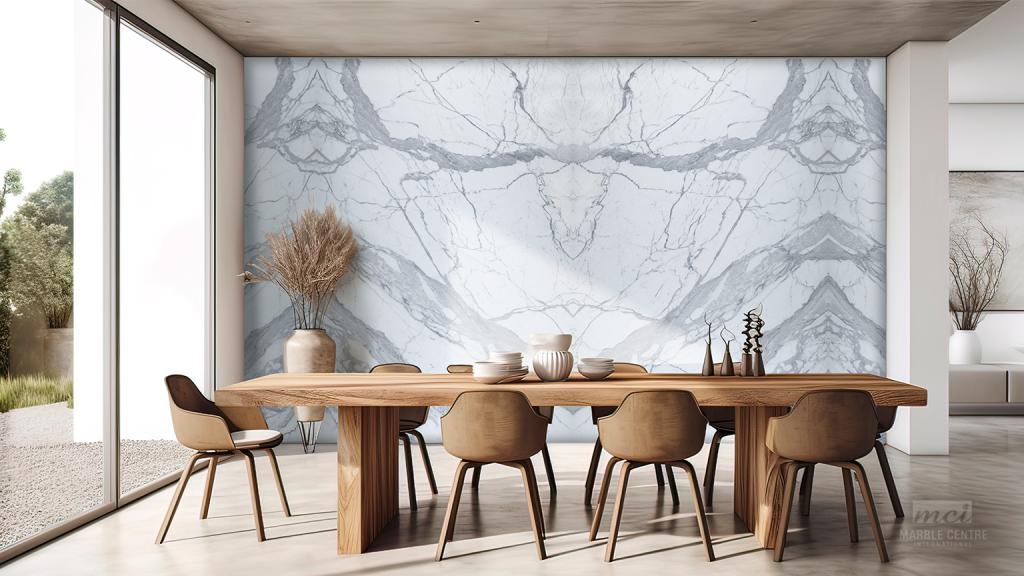
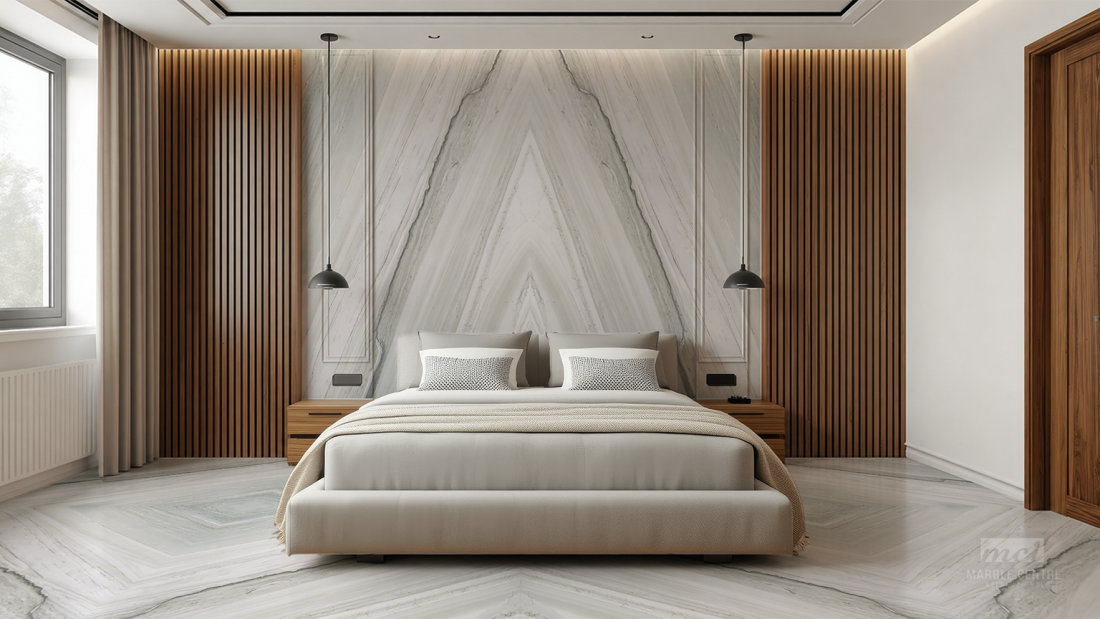
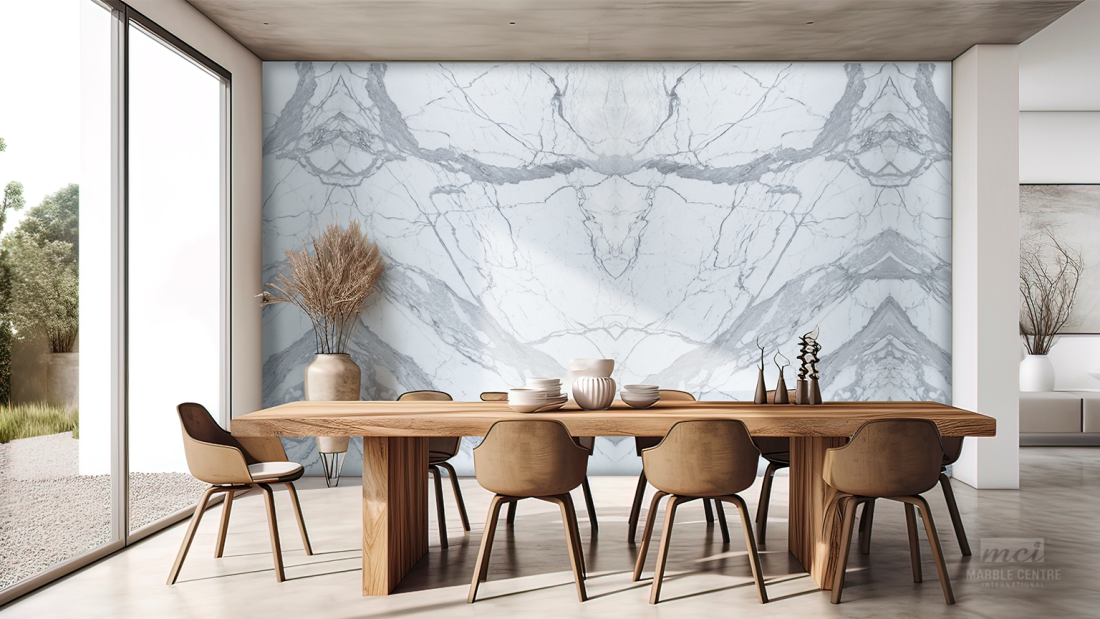
Material tone significantly influences how space is perceived and organised. In micro-space design, lighter tones in marble, such as Statuario Wow marble, can enhance spatial volume and soften areas meant for relaxation. This Italian marble has a lustrous white surface, traced with soft grey veining that flows like a river and gives a sense of expansiveness to any space.
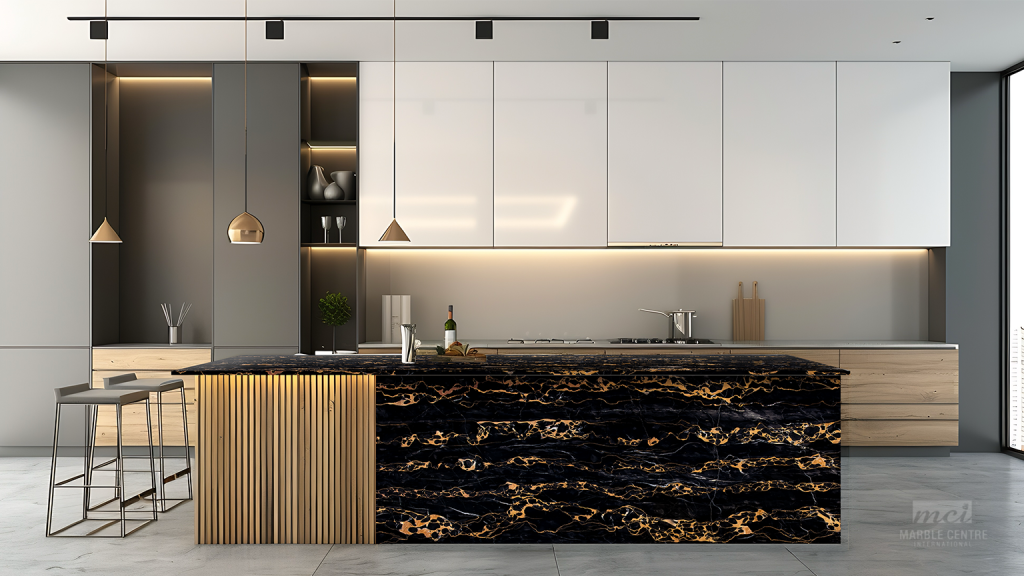
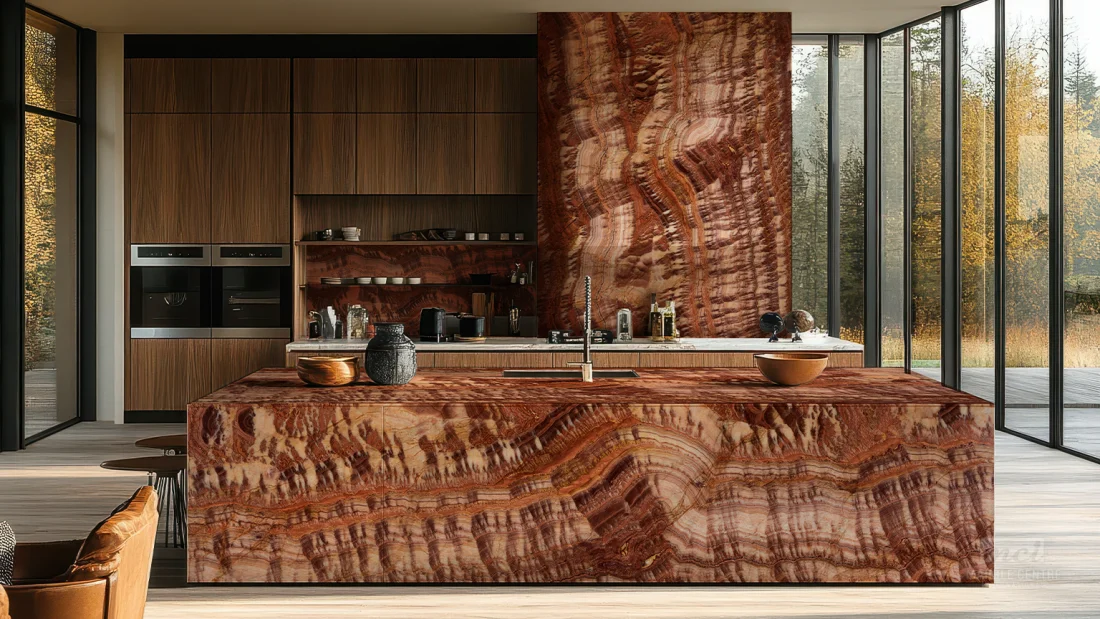
To establish stronger spatial anchors, deeper and more dramatic natural stones can ground spaces and clearly define micro-zones within open layouts. Golden Portoro marble, with its serene golden tones and uninterrupted flow of deep black veining, acts as a focal point in spaces such as a floor‑to‑ceiling fireplace and a waterfall island by visually grounding the space. These elements help organise the interior into distinct functional zones, ensuring that openness remains intentional rather than undefined.
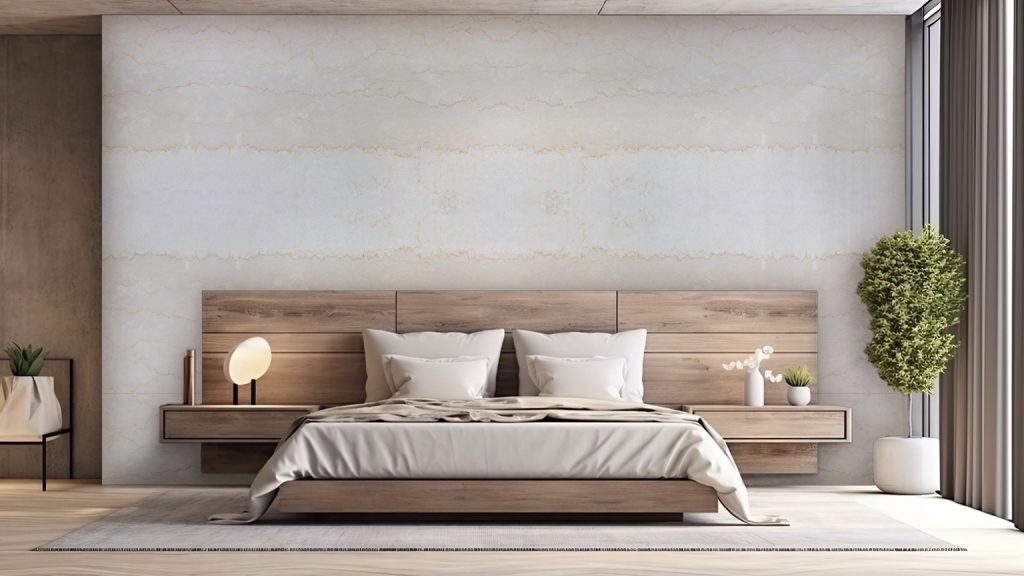
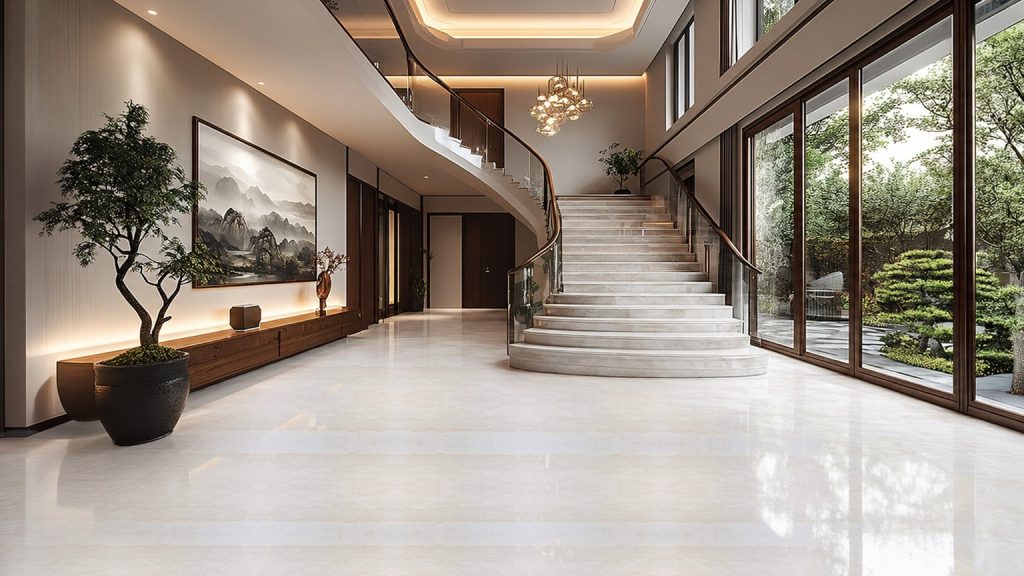
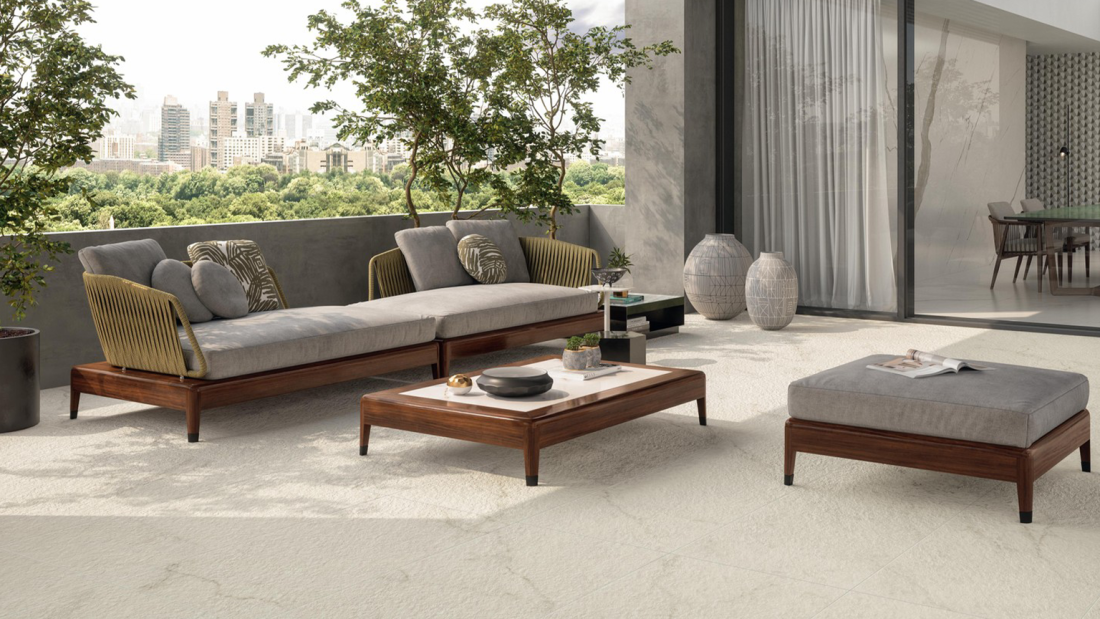
Transitional areas benefit from marbles that offer warmth and tonal softness. Stones such as Bottochino Classico marble fit these spaces perfectly, signaling a shift in mood or function without the need for physical partitions. Their delicately layered beige tones gently enclose without interrupting flow, making them ideal for connecting zones within a cohesive layout.
Through thoughtful applications, imported marble becomes instrumental in bringing identity to micro-spaces within expansive interiors. Its strategic use across floors, feature walls, or sculptural elements helps define distinct zones through shifts in tone, veining, and scale. Each zone develops its own character and function, while the overall space remains visually cohesive and fluid.
Harmonising Positive and Negative Space
Harmonizing positive and negative space is the secret to an interior that feels intentional rather than cluttered. In this context, positive space comprises the functional elements, such as marble, furniture, and architectural micro-spaces, while negative space is the surrounding openness, the breathing room that allows the design to resonate.
When balanced correctly, the negative space acts as a visual palate cleanser, ensuring that the heavier, textured elements of the room feel anchored and significant rather than overwhelming. By carefully managing this ratio, designers create a sense of rhythmic flow: the eye is drawn to the beauty of a natural stone feature and then given a moment of rest in the surrounding openness. This equilibrium ensures that even in a room filled with distinct zones, the overall environment remains fluid, sophisticated, and deeply calming to the daily rhythm of life.
To maintain this balance, low-profile furniture preserves sightlines, while elevated pieces with exposed legs create a sense of visual lightness. Strategic lighting highlights focal points, while wood paneling can soften structural edges and metal frames subtly outline zones. Layered textiles, such as rugs, drapery, and upholstery, absorb excess visual energy, preventing the environment from feeling stark. When applied with intention, natural stone elevates this harmony. Pairing marble with wood introduces organic warmth, metal accents sharpen the definition, and textiles soften the stone’s solidity. Within this layered interplay, luxury marble acts as the unifying element that grounds the entire composition.
Conclusion
The art of space is not about choosing between openness and enclosure but about orchestrating both with intention. Through thoughtful selection and placement, marble for interior design becomes an architectural instrument, expanding light, grounding form, and articulating flow.
Marble Centre International offers an exceptional range of imported marble and luxury natural stone. The right stone reflects the pinnacle of your personal shttps://marblecentre.in/experience-centre/tyle.To explore the best suitable options for your spaces, visit the Marble Centre International Experience Centre in Bangalore or schedule a personalised design consultation with MCI experts.