


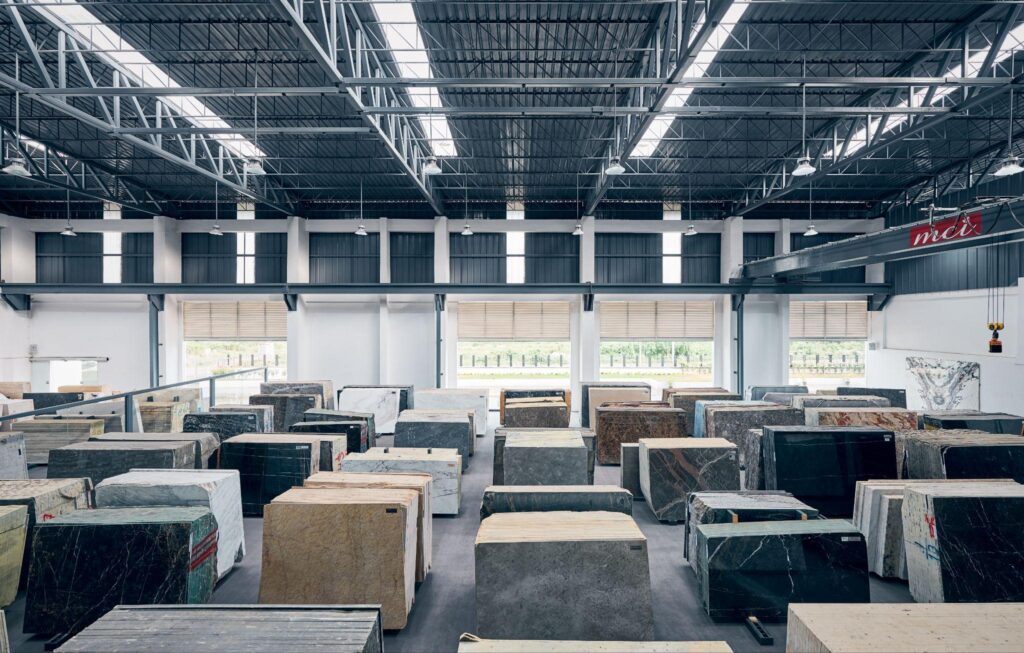
At Marble Centre International, decades of working with natural stone have shown that a marble surface is only as good as the care behind it. Thismarble installation guidecovers what genuinely protects a slab’s natural beauty, strength and character for generations, from routinemarble cleaningand timelymarble sealingto consistentmarble maintenance. It draws on that expertise to walk through installation, daily and deepnatural marble care, countertop maintenance, polishing and restoration.
The Lasting Value of Getting Marble Right
Marble is a natural material, formed over millions of years, and every slab carries its own porosity, veining and mineral variation. This is precisely what makes correct marble installation and ongoing care so important: a stone this individual cannot be treated like a uniform, manufactured surface.
Done well, marble is intended to last for generations rather than years. Its density and natural strength give it genuine longevity, but that durability only holds if the surface is installed on stable ground, sealed appropriately, and cleaned in ways that respect its porous nature. Neglect these fundamentals and even the finest slab can dull, stain or crack well before its time. The right approach allows marble to age gracefully rather than simply wear out, and it can quietly spare a household the cost of avoidable repairs along the way.
Preparing the Ground for Every Marble Installation
For architects and designers specifying natural stone, preparation is where a successful installation is decided. Marble Centre International’s expertise in stone selection and application begins well before a slab reaches site:
- Site inspection to assess structural and environmental conditions
- Subfloor preparation for a level, stable, fully cured base
- Moisture testing, since trapped moisture beneath a slab can cause long-term damage
- Slab inspection for veining consistency, thickness and any natural imperfections
- Layout planning, including bookmatching and joint placement
- Adhesive selection suited to the slab’s thickness and substrate
- The right installation tools, handled by a team experienced with natural stone
The Marble Installation Process – A Step-by-Step Guide
Once preparation is complete, the process for how to install marble flooring follows a disciplined sequence, each step protecting the integrity of the one before it.
- Level the subfloor to remove any unevenness
- Perform a dry layout to confirm veining flow and joint alignment
- Apply adhesive suited to the slab’s thickness
- Place each slab carefully to avoid cracking or chipping
- Align slabs and joints for a clean, consistent finish
- Grout with a colour and width suited to the design
- Allow adequate curing time before any foot traffic
- Seal the marble before it is exposed to daily use
Daily Care: The Best Way to Clean Marble Floors
Once installed, the best way to clean marble floors is a consistent, gentle routine rather than an occasional deep clean. Daily dusting or dry mopping prevents grit from scratching the surface, while damp mopping with a pH-neutral cleaner lifts everyday marks without damaging the stone.
- Dust or dry mop daily to remove grit
- Damp mop with a pH-neutral cleaner, never an acidic one
- Blot spills immediately rather than wiping them across the surface
- Dry the surface fully after cleaning to avoid water marks
A Marble Flooring Maintenance Calendar
Marble flooring maintenance is easiest to sustain when broken into a simple rhythm. Daily care means dusting and prompt spill clean-up. Weekly care adds a full damp mop with a pH-neutral cleaner. Monthly care includes a closer inspection for early etching or wear. Bi-annual care covers resealing in higher-traffic homes, and an annual professional polish keeps the surface performing as intended.
Marble Cleaning Guide: Building a Rhythm of Care
A considered marble cleaning guide works across three rhythms rather than one routine. Daily cleaning covers dusting and prompt spill clean-up with a soft cloth. Weekly cleaning adds a full damp mop with a mild, pH-neutral stone soap, rinsed and dried thoroughly.
Deep cleaning, done monthly or as needed, addresses ingrained dirt or early staining with treatments matched to the stain, such as mineral spirits for oil-based marks or a poultice for metal stains, always followed by a thorough rinse. Acidic products and abrasive scouring pads should be avoided at every stage, since they etch the surface permanently.
Marble Sealing: The Quiet Guardian of Every Surface
Marble is naturally porous, and sealing is what stands between a beautiful surface and one prone to staining. An impregnating sealer, which penetrates beneath the surface rather than sitting on top, offers better long-term protection than a topical alternative, and every marble surface benefits from this step regardless of finish.
- Resists staining from oil, wine, coffee and other everyday spills
- Improves moisture resistance in kitchens and bathrooms
- Should be reapplied roughly every 6 to 12 months, depending on traffic
- Needs renewing sooner if water no longer beads on the surface, a clear sign protection has worn thin
Marble Polishing: Restoring Its Original Lustre
Over time, foot traffic and daily use can leave even well-sealed marble looking dull rather than lustrous. Professional polishing restores that original shine, removing fine surface scratches and etching that regular cleaning cannot address alone.
For most homes, polishing every one to two years keeps a premium finish intact, though busier surfaces may need more frequent attention. This is best left to specialists, since incorrect technique can do more harm than the wear it’s meant to correct.
How to Maintain Marble Countertops
Knowing how to maintain marble countertops starts with treating them as a living surface rather than an indestructible one. Daily cleaning with a pH-neutral product, prompt attention to acidic food spills, and the consistent use of cutting boards and trivets all protect the stone from etching and heat damage.
- Clean daily with a soft cloth and pH-neutral cleaner
- Use cutting boards and trivets rather than working directly on the stone
- Wipe up citrus, wine and oil spills immediately
- Reseal on the same schedule as the rest of the home’s marble
Marble Protection Tips for Long-Term Durability
A few simple habits do most of the work in preserving marble long-term, and these marble protection measures cost little compared to the repairs they prevent.
- Felt pads under furniture legs to prevent scratching
- Entrance mats to reduce grit being tracked onto floors
- Prompt spill management rather than delayed clean-up
- Avoiding abrasive tools or harsh chemicals near the surface
- Limiting prolonged direct sunlight, which can affect certain finishes over time
- A consistent preventive maintenance routine rather than reactive fixes
Marble Restoration: Knowing When Stone Needs Renewal
Even well-maintained marble eventually calls for restoration, and recognising the signs early prevents minor issues from becoming structural ones. A dull finish that cleaning no longer revives, visible etching, deep-set stains, or cracks and chips are the clearest indicators.
At this stage, professional refinishing, whether re-polishing, honing or, in more serious cases, patching and resealing, restores both the appearance and integrity of the stone, often extending its life by years.
Frequently Asked Questions
How do you install marble flooring?
Through levelling the sub-floor, a dry layout, adhesive application, precise slab placement, grouting, curing and sealing.
What is the best way to clean marble floors?
Daily dusting, weekly damp mopping with a pH-neutral cleaner, and immediate spill clean-up.
How often should marble be sealed?
Roughly every 6 to 12 months, depending on traffic and whether water still beads on the surface.
How do I maintain marble countertops?
Clean daily with a pH-neutral product, use cutting boards, and reseal on a regular schedule.
Which cleaner is safe for natural marble?
A pH-neutral stone cleaner or mild detergent. Avoid acidic or abrasive products entirely.
Can marble be polished after installation?
Yes, professional polishing can be done at any point to restore shine and address surface wear.
How often should marble floors be professionally maintained?
A professional polish roughly every one to two years suits most homes.
How do I remove stains from marble?
Match the treatment to the stain, such as mineral spirits for oil or a poultice for metal marks.
When should marble be restored?
When cleaning no longer restores shine, or etching, deep stains, cracks or chips appear.
How can I keep marble looking new for years?
Consistent cleaning, timely resealing, and prompt attention to spills and wear.
These marble maintenance tips apply across nearly every home, though for guidance tailored to a specific project, Marble Centre International’s specialists are on hand to advise on installation, care and long-term maintenance. Visit the Experience Centre in Bangalore, or send an enquiry to get started.