


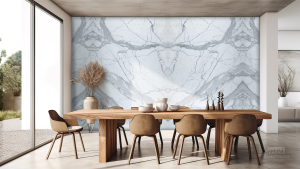
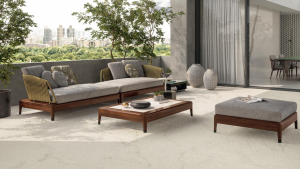

Natural stone refers to naturally occurring materials that are quarried from the earth and used for architectural, construction, and decorative purposes. These include Marble, Granite, Limestone, Quartzite, Travertine, Slate, Onyx, and other stone varieties valued for their durability, character, and timeless appeal.
Each slab or piece of natural stone is unique in its composition, veining, texture, and color variations, even when sourced from the same quarry. This inherent individuality is what gives natural stone its distinctive beauty, making every application one of a kind.
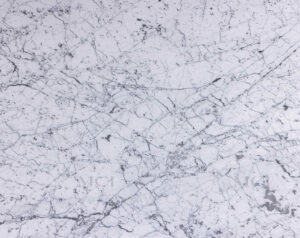
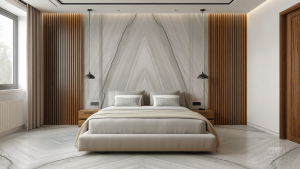
Marble is available in solid and dramatic veined varieties, valued for its timeless style, texture, and high-gloss finish. Its rich palette makes it a luxurious choice, while modern manufacturing enables affordability for a wider range of homeowners.
Granite offers maintenance-free sophistication and remarkable durability. Its strength, mineral-rich colours, and natural patterning make it suitable for flooring, countertops, and various interior or exterior design applications.
Slate forms from compressed sedimentary deposits, naturally splitting into textured layers. Its resilience, stain resistance, and range of tones—brown, yellow, gray, pink, lavender, and more—make it ideal for flooring, cladding, and landscape use.
Quartz features a medium-grained texture with exceptional durability and a subtle crystalline sparkle. Its mineral composition yields colours from soft whites and grays to vibrant purples and pinks. The inherent non-slip surface suits both indoor and outdoor high-traffic areas.
Limestone appears in soft beiges and tans, available polished or honed. Its relaxed aesthetic works well in informal, low-traffic environments such as bathrooms and select countertop designs.
Travertine showcases natural patterns shaped by mineral-rich spring water flowing through underground limestone. Its visual depth enhances interior and exterior projects. Indoors, it is typically filled with resin or cement to deliver a smooth, stain-resistant finish.
Shell material shares characteristics with Limestone and is distinguished by visible embedded shell fragments, creating a distinctive organic appearance.
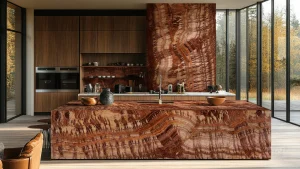
Onyx is a translucent material with a lustrous surface, composed of crystalline silica and closely related to semi-precious formations. It forms slowly within caves through the flow of carbonated water and appears in a wide range of colours.
Natural stone can be used on nearly every surface, both indoors and outdoors, including floors, walkways, wall cladding, kitchen countertops, vanity tops, bathrooms, patios, fireplaces, facades, and garden landscaping.
There are three main processes that take place before the slabs reach the MCI gallery; quarrying, cutting and processing. The stone is first extracted from the earth at quarries which are located in over 30 countries across the globe. The quarried blocks of marble are then cut into slabs by a large gang saw, which works exactly like a bread slicer. Finally, the raw slabs are laid down and treated by resinating and polishing the stone to make it beautiful and durable.
Natural stone is incredibly durable and stain and weather-resistant, but even rocks aren’t indestructible. To ensure the longevity and beauty of your natural stones, the first and most crucial step is to use a gentle pH-neutral cleaner, stone soap, or a mild liquid dishwashing detergent and warm water. You should avoid acidic or abrasive cleaners, as they can compromise the integrity of the stone and dull its finish over time.
Natural stone is porous, so spills from wine, oil, coffee, or other acidic liquids should be blotted immediately with a paper towel. The longer these liquids remain on the surface, the higher the risk of permanent stains or etching. After blotting, rinse the area thoroughly with water and a mild, pH-neutral soap and dry the area with a soft cloth.
Sealing is often used on some stones as an extra precaution against staining. The best products in the stone industry are impregnating sealers, which penetrate below the surface, rather than inferior topical sealers that form a film, wear down easily, and can alter the stone’s appearance. Sealing does not make the stone stain proof, rather, it makes the stone more stain resistant.
